Black Americans' Cancer Rates Differ by Birthplace
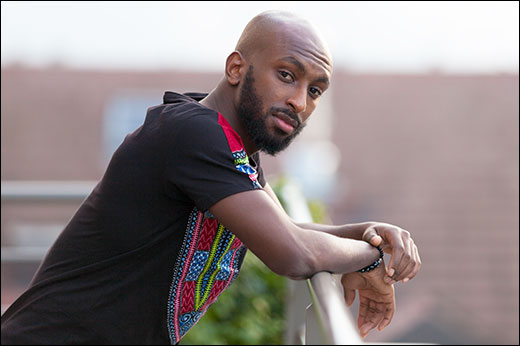
Birthplace shows links to cancer
Cancer rates differ between African- and U.S.-born black Americans, a new study finds.
"Typically, cancer occurrence among blacks in the United States is presented as one homogenous group, with no breakdown by country or region of birth," said study co-author Dr. Ahmedin Jemal, an American Cancer Society epidemiologist.
Read more: Black Americans' Cancer Rates Differ by Birthplace
Blacks More Prone to Colon Cancers That Arise Between Colonoscopies: Study

Patient shares his concerns about colon cancer with his doctor
Colon cancer guidelines now recommend a colonoscopy every 10 years, beginning at age 50 for people at average risk for the disease.
But a new study finds that older black Americans are far more likely than whites to develop a colon cancer in the decade-long gap between these screenings.
Read more: Blacks More Prone to Colon Cancers That Arise Between Colonoscopies: Study
Blacks More Prone to Colon Cancers That Arise Between Colonoscopies: Study
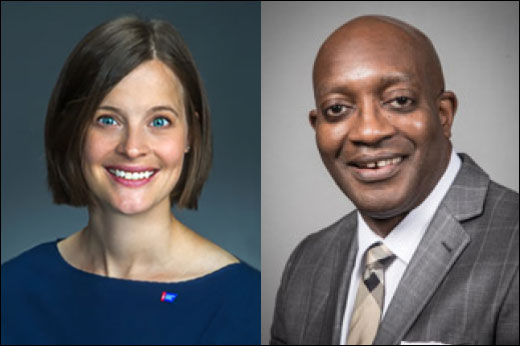
Stacey Fedewa, Researcher, American Cancer Society and Patrick Okolo, M.D., Chief of Gastroenterology, Lenox Hill Hospital
Colon cancer guidelines now recommend a colonoscopy every 10 years, beginning at age 50 for people at average risk for the disease.
But a new study finds that older black Americans are far more likely than whites to develop a colon cancer in the decade-long gap between these screenings.
Read more: Blacks More Prone to Colon Cancers That Arise Between Colonoscopies: Study
Blacks, Elderly Missing From U.S. Cancer Clinical Trials

Narjust Duma, M.D., Hematology/Oncology Fellow, Mayo Clinic, Rochester, Minn.
Four out of five participants in cancer clinical trials are white, a discrepancy that calls into question whether other races and ethnicities are receiving good cancer treatment, researchers say.
Read more: Blacks, Elderly Missing From U.S. Cancer Clinical Trials
Broken System: Curbing the Impact of HIV Criminalization Laws
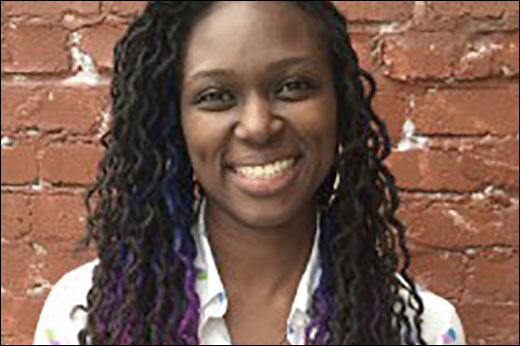
Arneta Rogers, Policy and Advocacy Manager, Positive Women's Network USA
If you think the criminal-justice system is broken and unfair, you're not alone. Most voters—69 percent—say too many people are behind bars, according to a 2015 survey by the American Civil Liberties Union.
Read more: Broken System: Curbing the Impact of HIV Criminalization Laws